
Each year, many students in the Department of Pharmacy, Faculty of Pharmaceutical Sciences Department of Pharmacy (six-year pharmacy education) at Tokyo University of Science pass the national examination for pharmacists. The reason for this is a systematic curriculum that directly links to passing the national examination, starting with a thorough understanding of basic sciences such as chemistry, physics, and biology, and leading to a deep understanding of the human body, diseases, and the structure and action of drugs, as well as honing knowledge and skills through practical pharmacist duties. In other words, the study of pharmacy at TUS is a kind of learning that fundamentally investigates life sciences, such as the body and diseases, and the effects of drugs from a scientific perspective. This scientific attitude to research is precisely what supports high achievements in the national examination. To qualify for the national examination for pharmacists, candidates must pass the Pharmaceutical Common Achievement Tests (CBT/OSCE) administered at the end of their fourth year and complete practical training at hospitals and pharmacies during their fifth year. Through this process, TUS steadily enhances each student’s academic understanding and practical abilities. The ultimate goal of the Department of Pharmacy is to cultivate pharmacists who possess rich humanity and high levels of expertise, along with the ability to connect diverse problems to research.
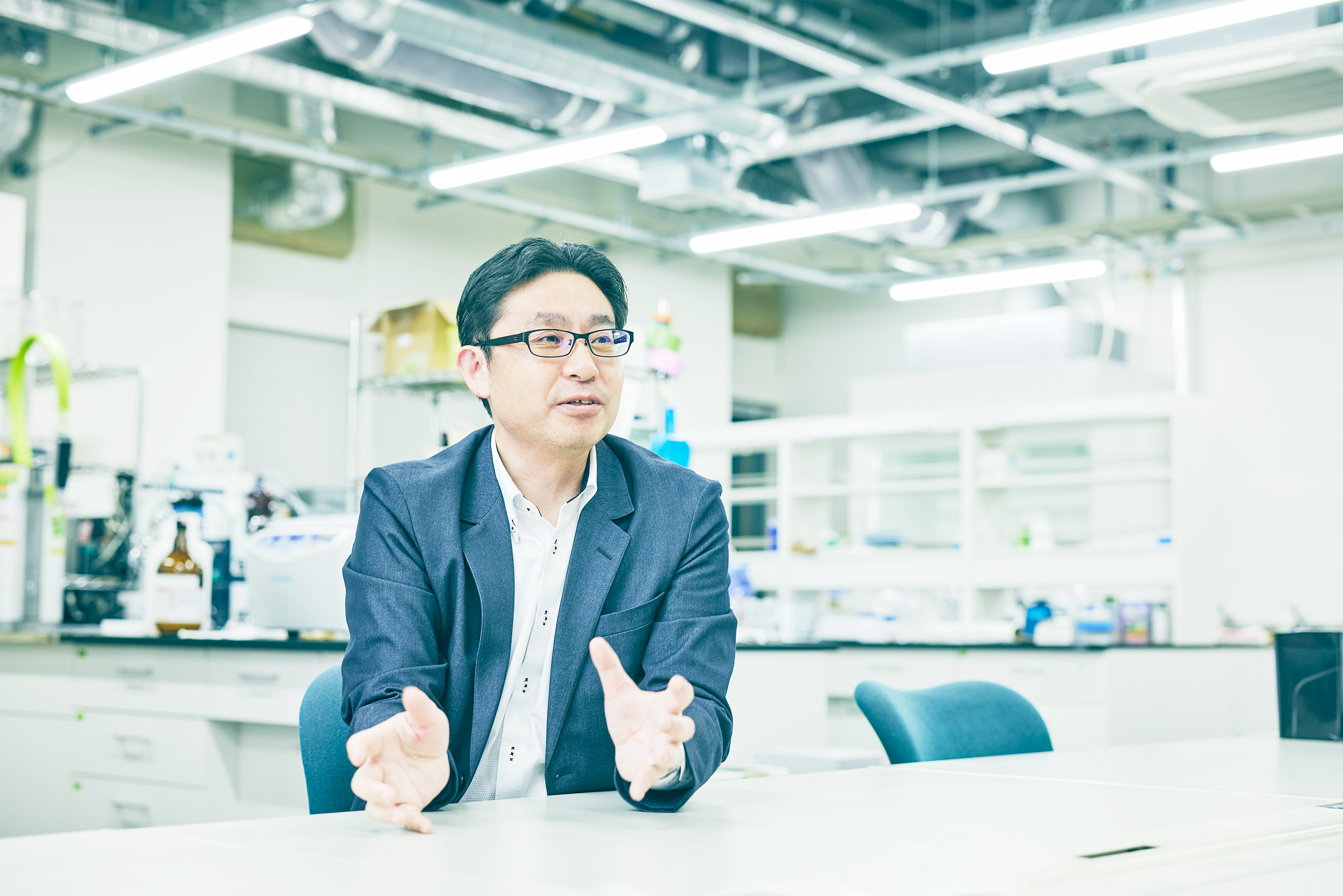
Practice for Pharmaceutical Healthcare and Sciences is a course that all fourth-year students aiming to become pharmacists must complete. This practical training aims to educate students on the basic knowledge, skills, and attitudes required of pharmacists. Furthermore, this training is positioned as preparatory training for the actual practical training (11 weeks of hospital practical training and 11 weeks of pharmacy practical training) conducted in the fifth year at actual hospitals and pharmacies. “When students go to clinical settings during their practical training,” says Professor Mano, “they are overwhelmed by the amount of knowledge required as a pharmacist. They need to identify patient issues from a pharmaceutical perspective and think about what they should do as a pharmacist. Is a particular medication appropriate? If it is not appropriate, they need to consult with a physician and discuss how to change it. After making changes, they need to confirm efficacy and also check for side effects. Practice for Pharmaceutical Healthcare and Sciences is one of the courses that prepares them for these kinds of situations.” Furthermore, to participate in the fifth-year practical training, students must pass the Pharmaceutical Common Achievement Tests, which are administered at pharmaceutical colleges and faculties throughout Japan, at the end of their fourth year. The practical training in this course holds significant importance, particularly for acquiring the skills and attitudes required for the Objective Structured Clinical Examination (OSCE).
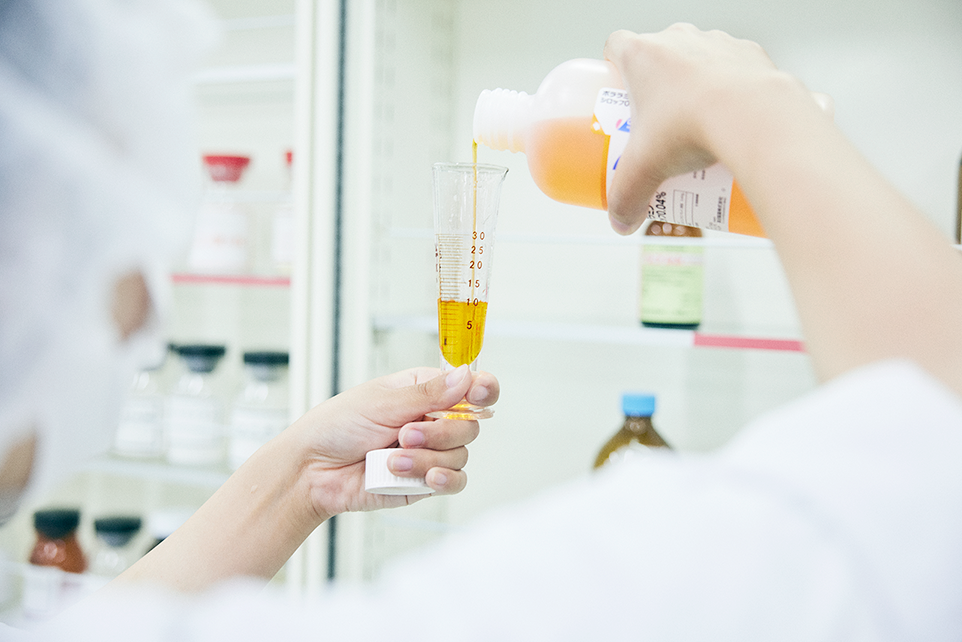
Practice for Pharmaceutical Healthcare and Sciences takes up a lot of time in the second half of the fourth year and is conducted at TUS’s training facilities. Most of the afternoon classes are devoted to training in prescriptions and dispensing, dispensing audits, pharmaceutical inquiries, practice of aseptic techniques, communication, physical assessment, and other aspects of actual practice. There, in addition to dispensing practice (powdered medications, liquid medications, ointments), students also handle more advanced techniques such as preparing high-calorie infusions and mixing medications for injection using a clean bench. Additionally, a significant amount of time is spent on training in communication in various situations, such as pharmacy counters and hospital rooms. “It goes without saying that practical training in handling medications is important,” Professor Mano commented, “but communication with patients is especially crucial for pharmacists. We simulate various scenarios, such as responding to patients who bring prescriptions to the pharmacy, attending to hospitalized patients in wards, and sales of over-the-counter drugs, with participation from simulated patients for practice.” There is a phrase that Professor Mano always mentions on the first day of Practice for Pharmaceutical Healthcare and Sciences. “When you put on a white coat, patients cannot tell whether you are a student or a pharmacist. Once you put on your white coat for the training, you should already be in the mindset of a pharmacist.” It’s not just training, but a signal that the practice of being a pharmacist has begun.
■ Main research themes