
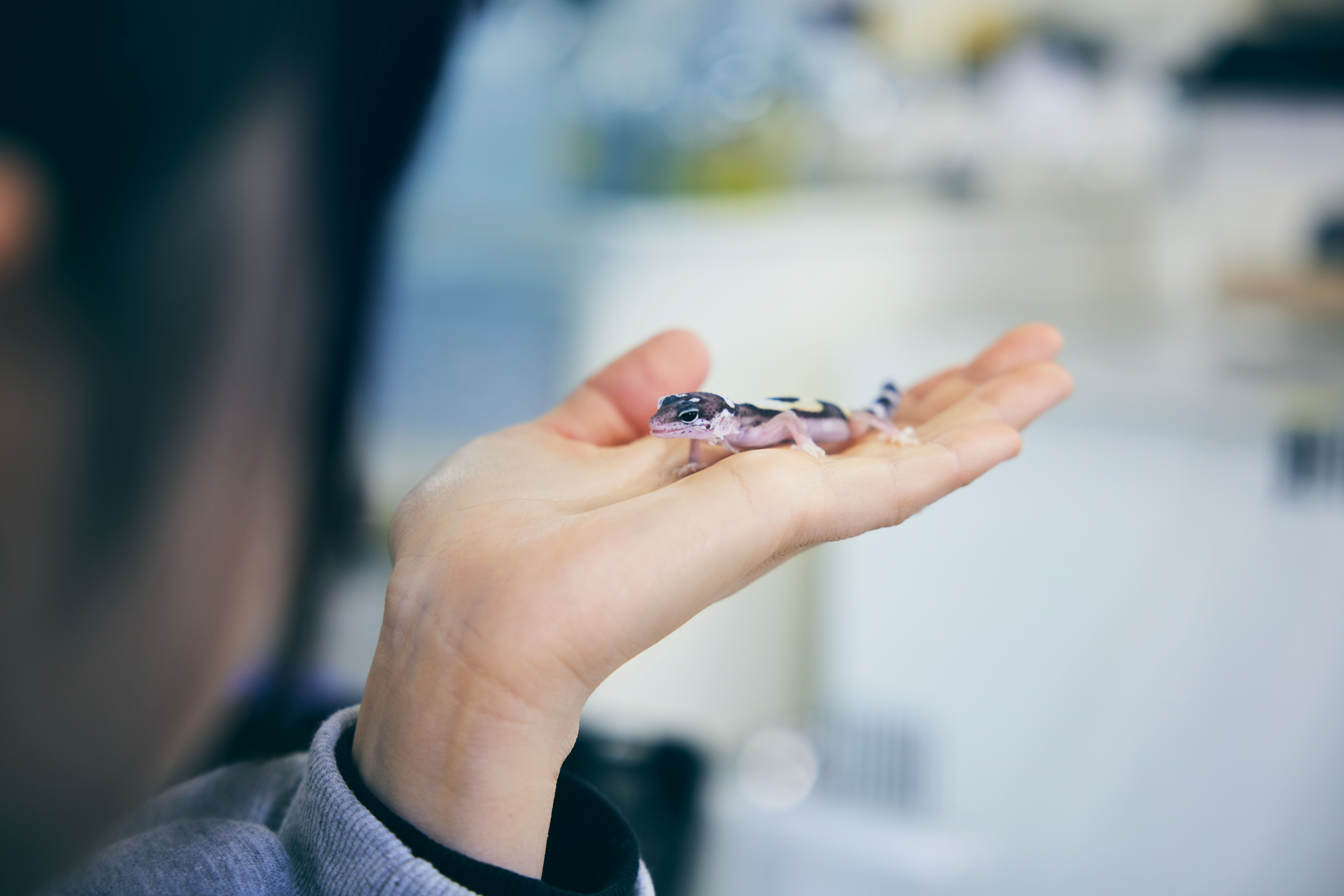
While it may be hard to imagine from a human perspective, such organisms actually exist. When we look at living organisms broadly, sex is not always fixed. Professor Shinichi Miyagawa says, "For example, among fish, there are some in which the male changes sex to female when the female dies. This is a change in the social environment, but there are other organisms whose sex changes due to various environmental factors." In other words, the interaction between genetic and environmental factors creates fluctuations, and the relative impact of the factors differs depending on the organism. “Among reptiles, there are some in which the determining factor is almost entirely environmental,” says Professor Miyagawa. “For example, with crocodile eggs, if you leave them at a temperature of around 33 degrees Celsius, they will become males, and at 30 degrees Celsius, they will become females. In the case of turtle eggs, at 26 degrees Celsius they will become males, and at 30 degrees Celsius they will become females. So, their sex is determined by environmental factors, not genetic factors. I am focusing on reptiles because I think they are a good model for elucidating the underlying mechanisms.” The mechanisms by which males and females are separated and formed are finally beginning to be understood.
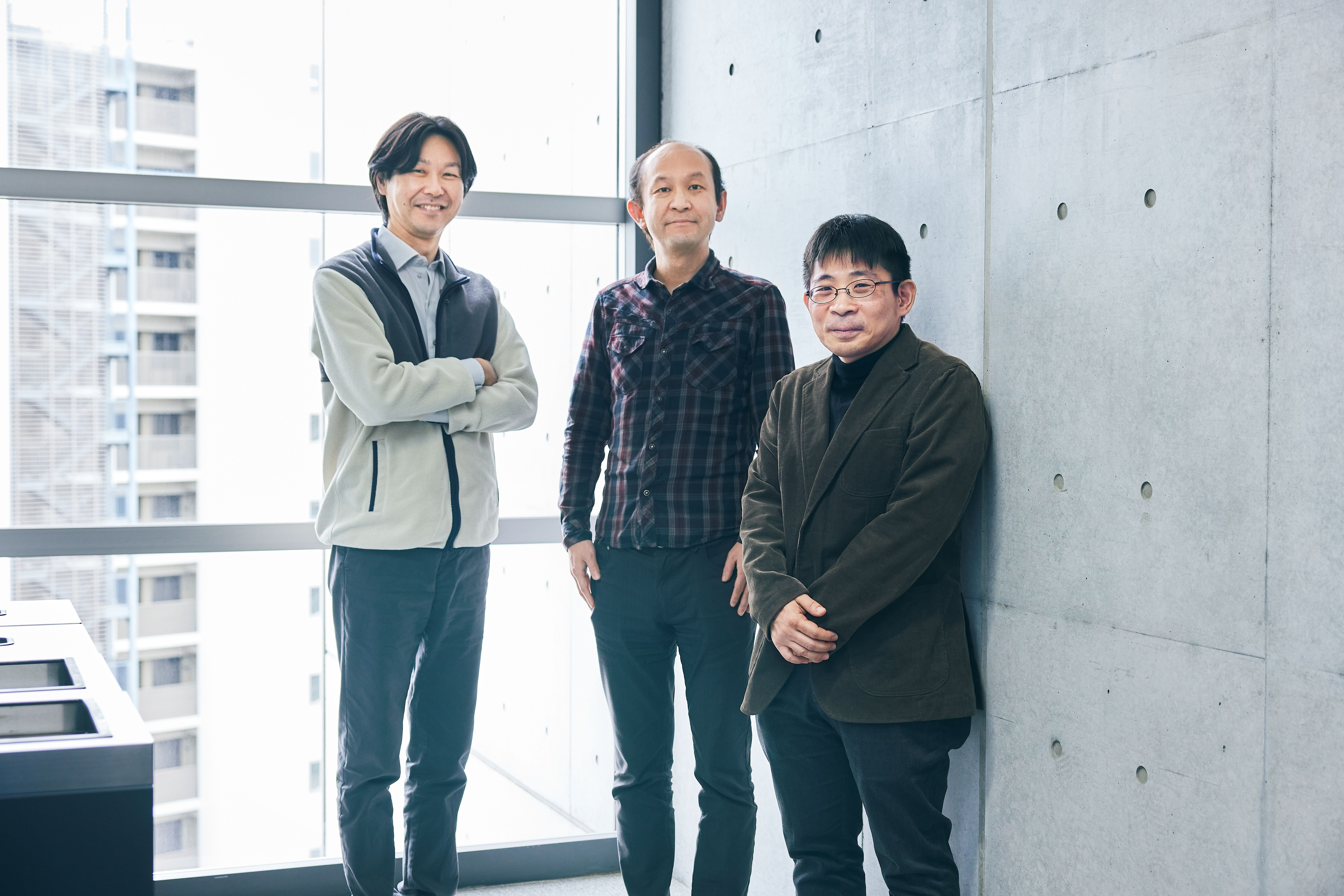
If we focus on this concept of fluctuation, there are many other examples among biological phenomena. In order to elucidate the various environmental response strategies that organisms have acquired in order to survive, the “Division of Biological Fluctuations” was established in April 2025 at the Research Institute for Science and Technology. Here, four research groups are conducting research on fluctuations observed at all levels, from living organisms to plants. One group is looking at the molecular level (genomics and development); one at the cell, tissue, and organ level; one at the individual and population level (reproduction and sex); and one at the biological and evolutionary level. To give some examples, Professor Shu Kondo is studying the mechanisms of bilateral symmetry and asymmetry in body tissues using Drosophilidae flies, and Professor Fuminori Takahashi is researching the environmental adaptation and evolution of plants and creating crops that can adapt to environmental stress. "The defining characteristic of this research division is that we've assembled researchers from a wide range of fields who are all working around the idea that ‘fluctuation’ is a keyword that can explain many biological phenomena," says Professor Miyagawa. By bringing these researchers together, it becomes possible to incorporate advanced technologies and data from other fields. Furthermore, due to the nature of the research, it is necessary to raise living organisms and cultivate plants, and sharing these resources is a major advantage as it increases the efficiency of the research.
The modern era is a time of great environmental change for many living things, due to such factors as global warming and pollution from chemicals. However, environmental changes have occurred repeatedly throughout history. Living things are equipped with various mechanisms to cope with change. Professor Miyagawa says, “Fluctuations come from the fact that not everything is genetically programmed. If organisms did not have the ability to accept environmental changes to some extent and respond flexibly, it would have made survival difficult.” Perhaps these differences in how organisms prepare themselves for change are key shapers of biodiversity. “Biodiversity can be thought of as fluctuation at the ecosystem level. It is because organisms possess a variety of genes that they have been able to adapt to their environment and avoid extinction,” says Professor Miyagawa. Focusing on fluctuations and studying the survival strategies of organisms should lead to understanding how to cope with current and future environmental changes. In the current situation where species are facing extinction due to environmental changes, unraveling the impact of the environment on life activities is an important task that science must undertake.
■ Main research themes
■ Main research themes
■ Main research themes